Article: Wellness17 November 20263 min read
Spa and Wellness: A Guide to Everyday Balance
Wellness is less about grand resets and more about small, steady habits. A gentle guide to rest, movement and the occasional unhurried hour for yourself.
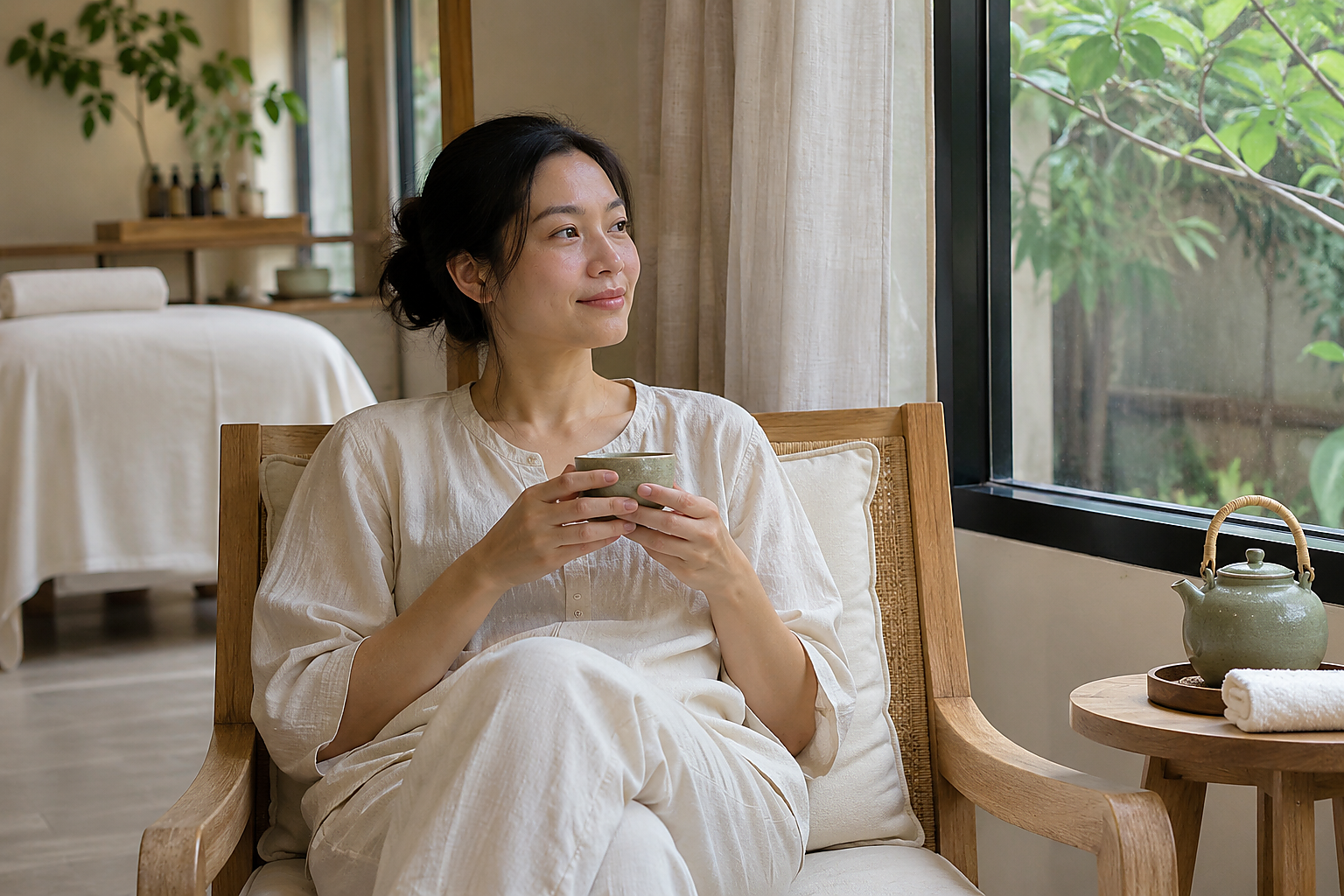
The word wellness is everywhere now, often attached to promises that sound a little too big. In everyday life it tends to be much quieter than that. It looks like sleeping reasonably well, moving your body a little, eating in a way that leaves you comfortable, and giving yourself a few moments in the day that are not spent reacting to something.
A spa visit can be one of those moments. It will not fix a demanding month on its own, and it does not need to. Its value is simpler: an hour or two where nothing is asked of you. This guide looks at how that kind of rest fits alongside the small habits that make up a balanced week.
What balance really means
Balance is rarely a perfect fifty-fifty split between work and rest. For most people it is closer to a rhythm: busy stretches followed by recovery, effort followed by ease. Problems tend to appear when the busy part never really ends and the recovery keeps getting postponed.
Seen this way, wellness is less about adding more tasks to your list and more about protecting the pauses. A walk without your phone, an early night, a slow breakfast at the weekend — none of these are dramatic, but together they give the week some breathing room.
Four small foundations
There is no single formula, but a few foundations come up again and again in reliable health guidance. They are worth returning to before reaching for anything more elaborate.
Rest and sleep
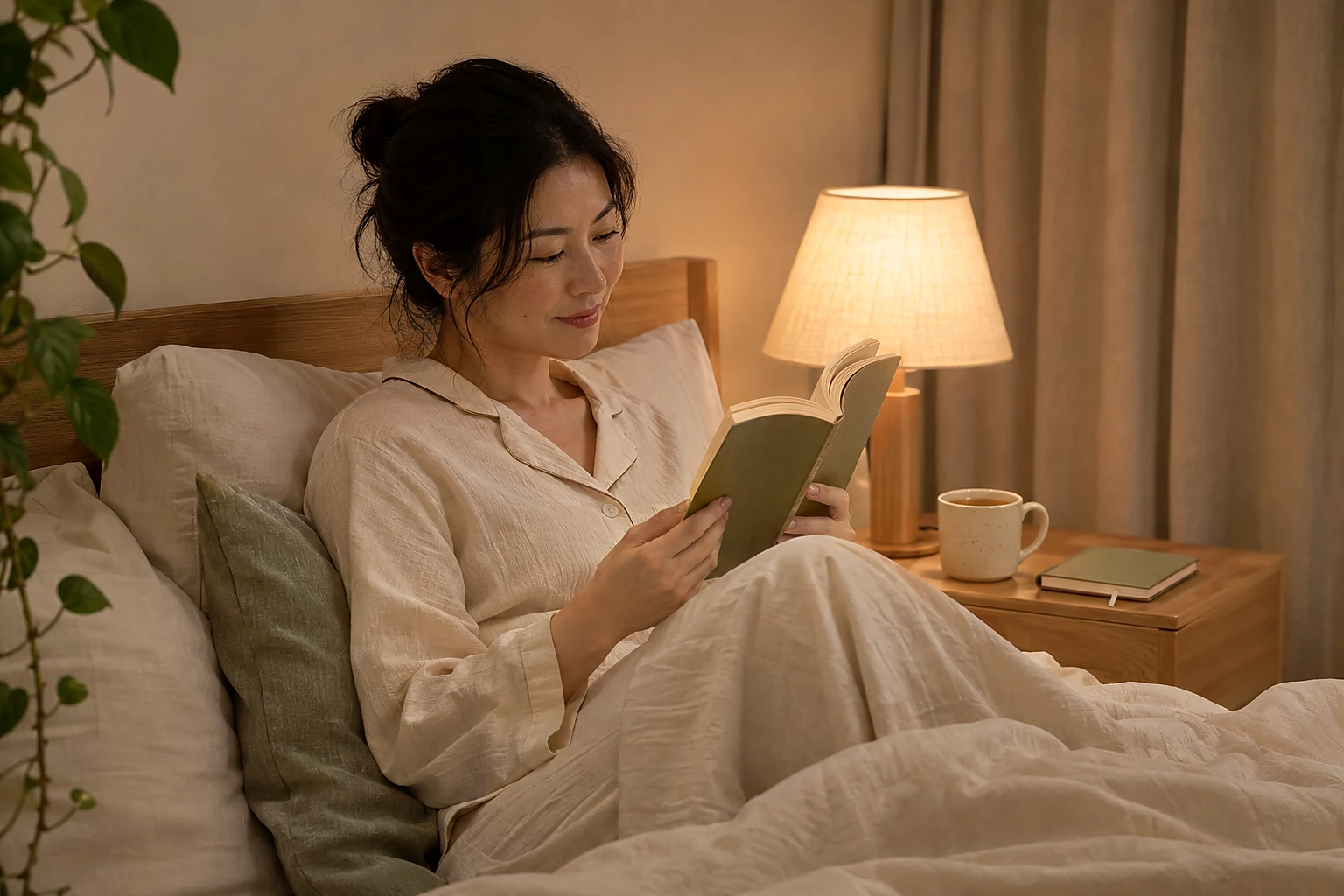
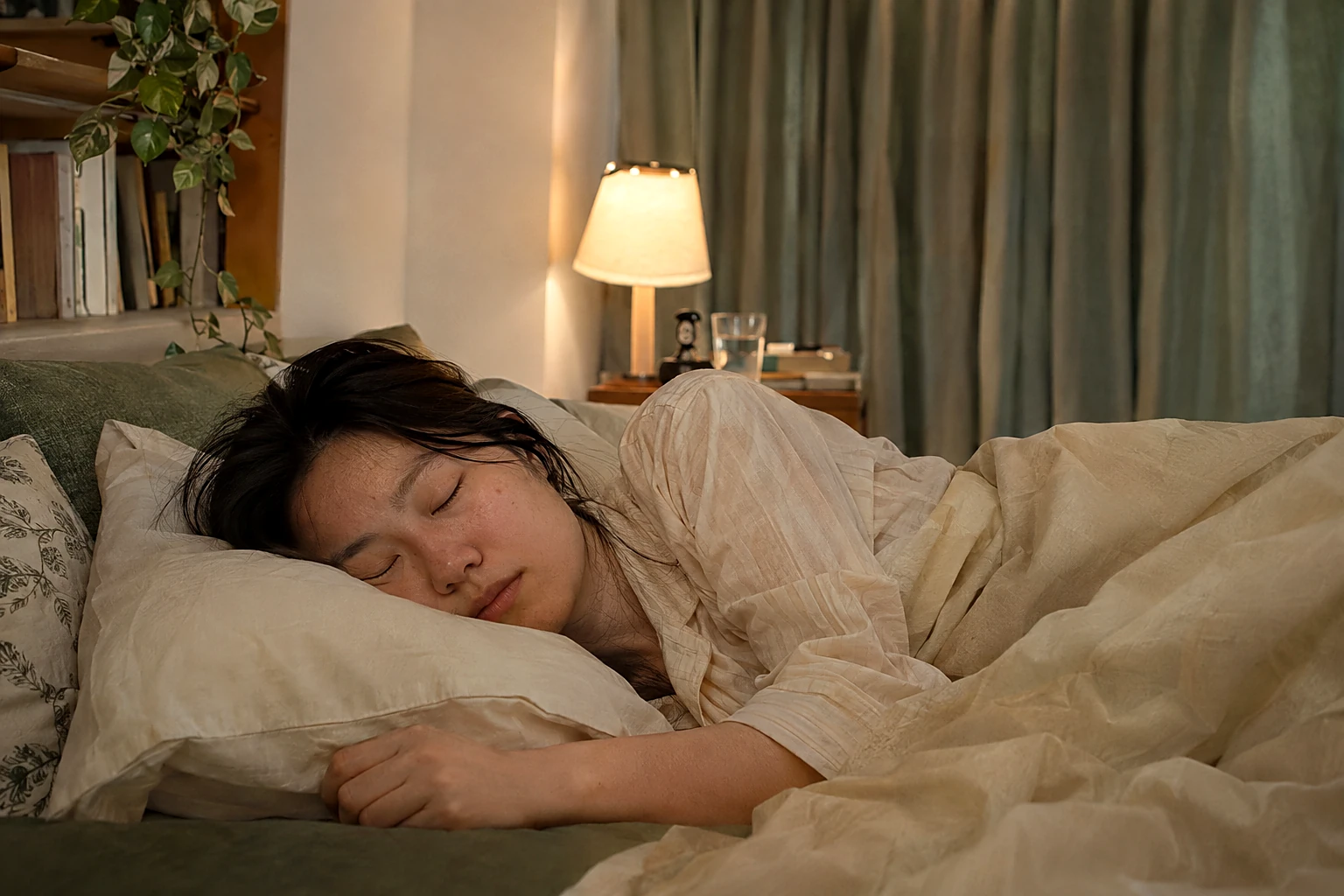
The CDC notes that most adults need seven or more hours of sleep, and that regular bed and wake times are one of the simplest habits that support it. If your evenings feel rushed, our article on a relaxing evening routine offers a few gentle ideas.
Movement
You do not need an intense programme. Short walks, stretching between meetings and taking the stairs all add up, and they are easier to keep doing than an ambitious plan you abandon after two weeks.

Quiet attention
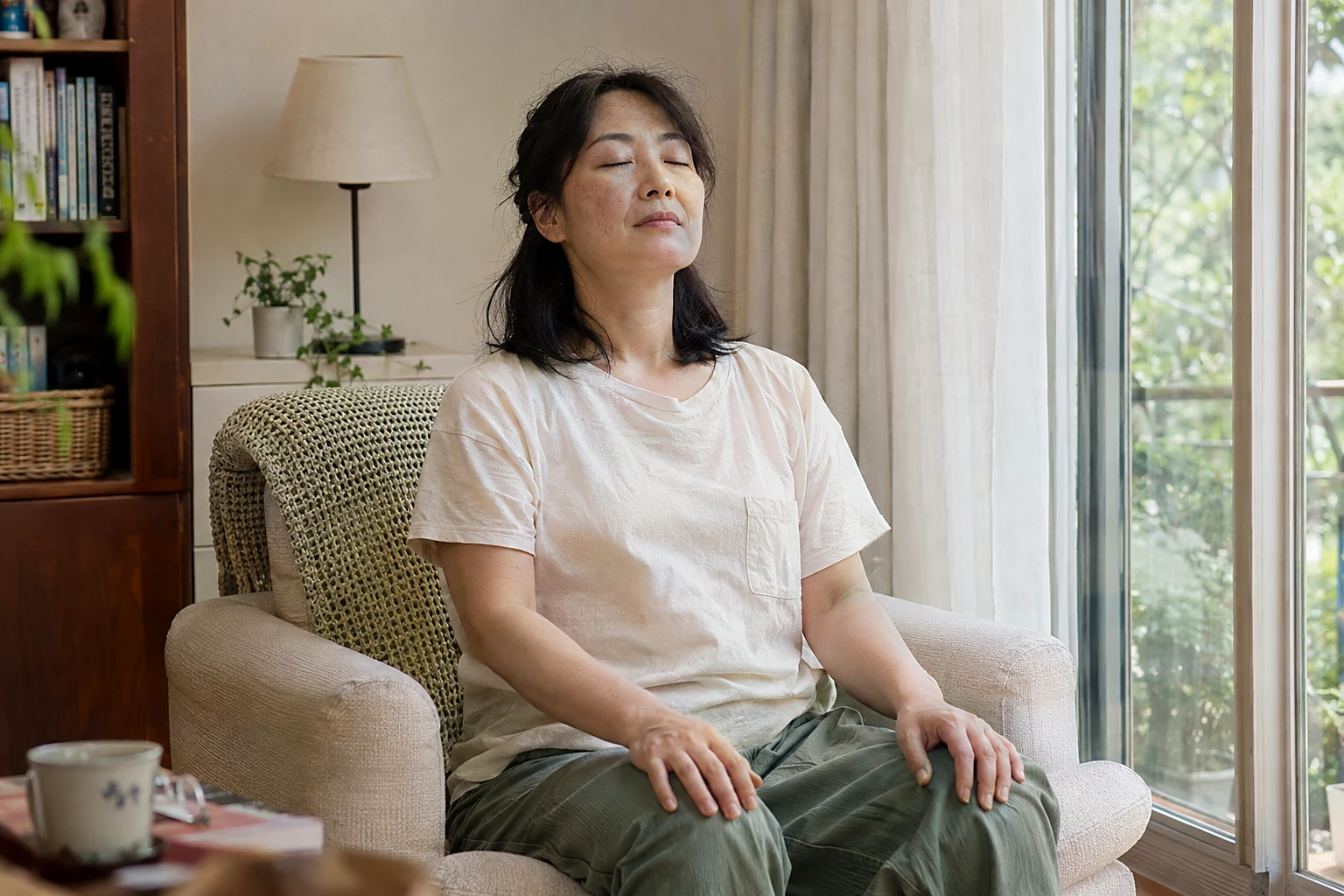
Slow breathing, a few minutes of stillness or simply noticing how your shoulders feel can help you step out of autopilot. The U.S. National Center for Complementary and Integrative Health describes a range of relaxation techniques that people use to feel calmer; most of them need nothing more than a quiet corner.
Connection and enjoyment
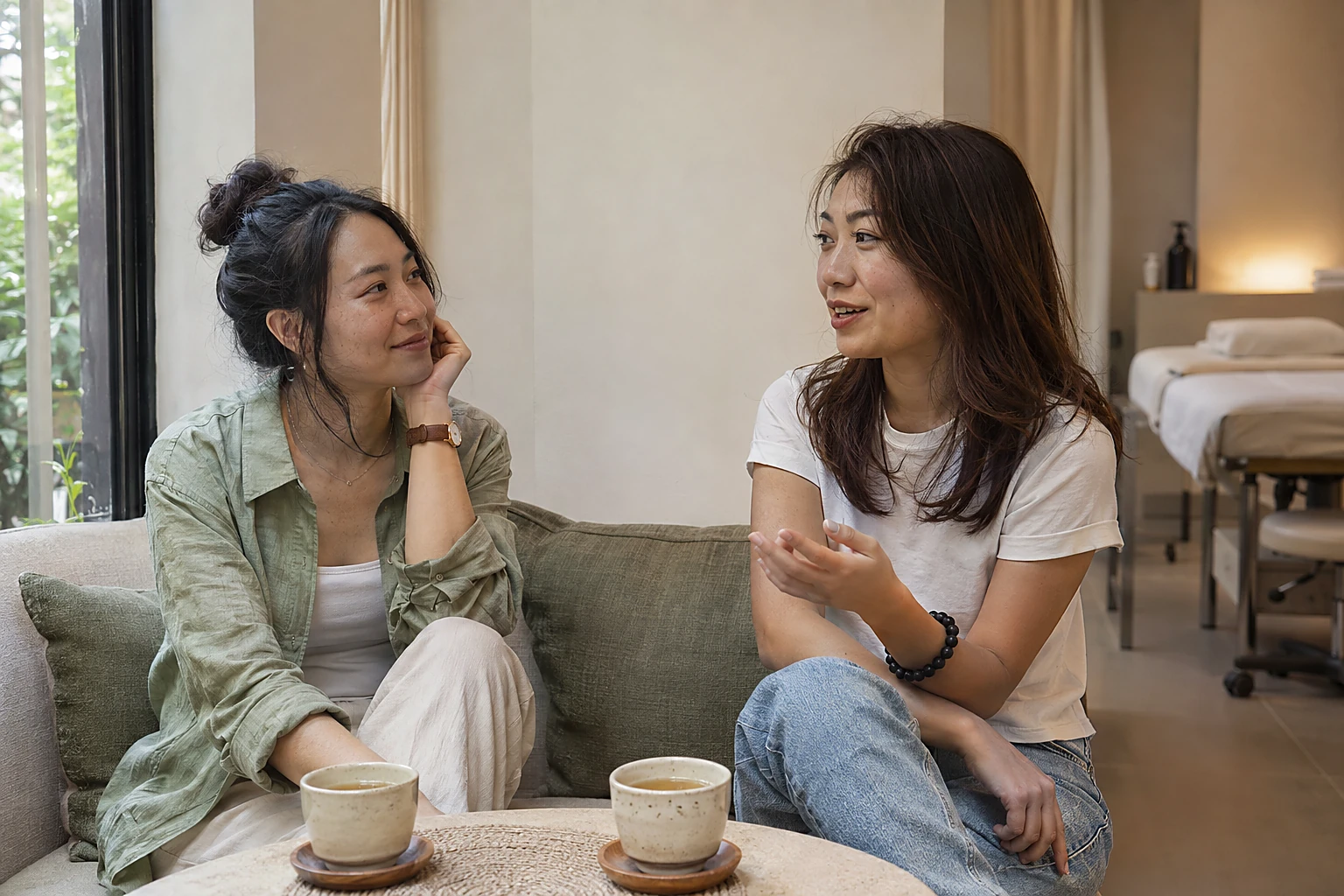
Time with people you like, and doing things simply because you enjoy them, belongs on the list too. Wellness that feels like a chore rarely lasts.
Where a spa visit fits
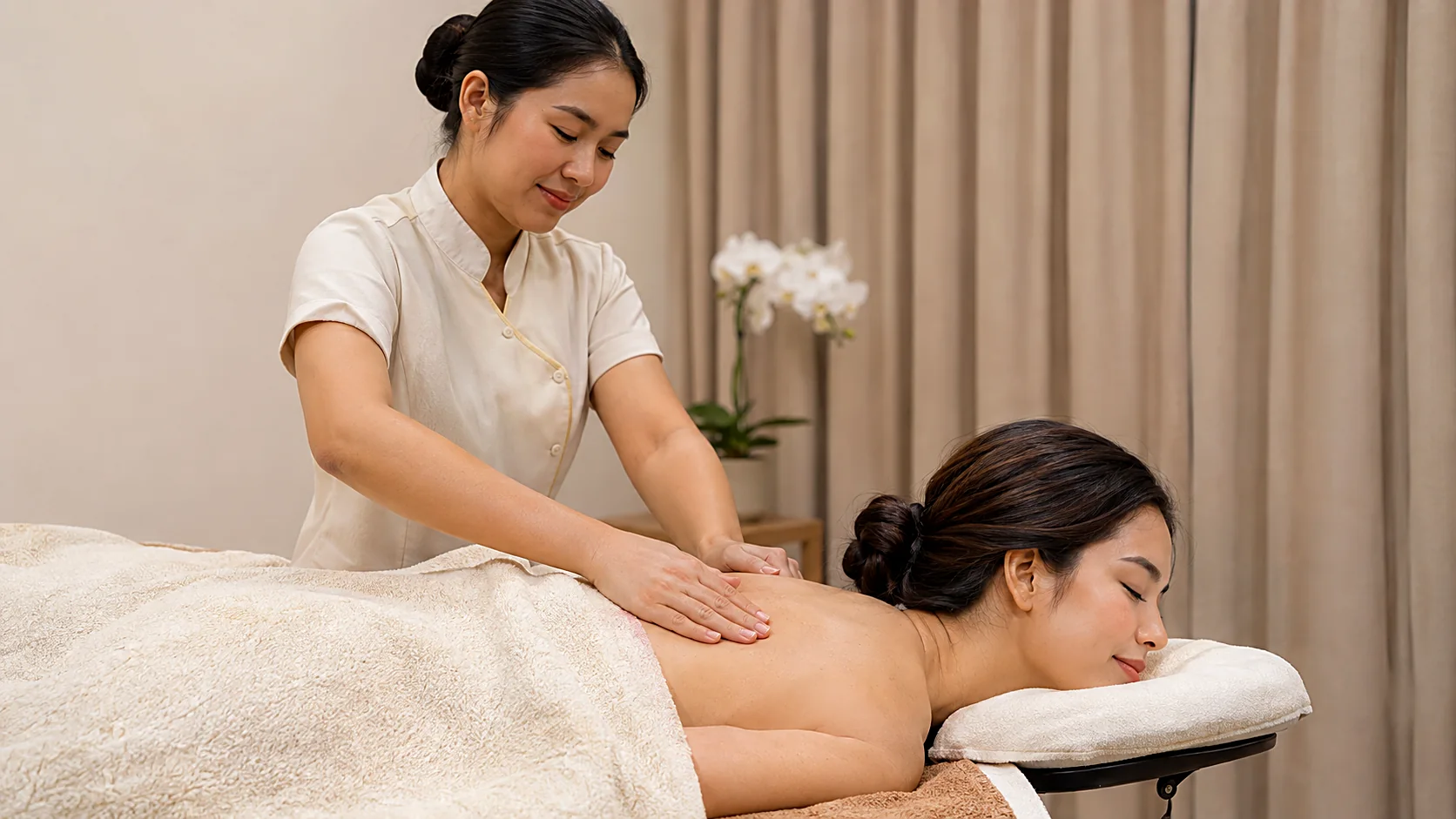
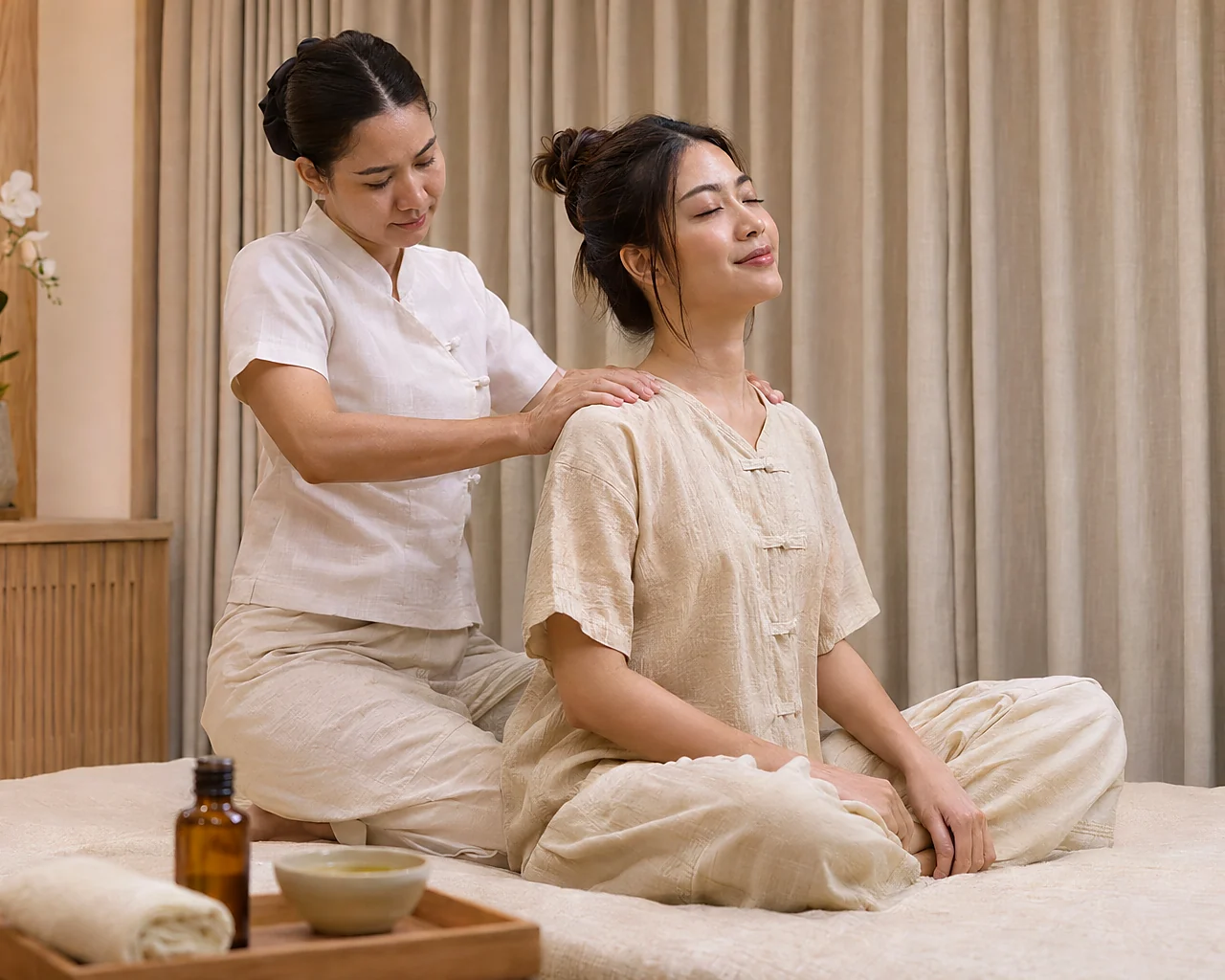
Think of a spa visit as a dedicated pause rather than a fix. Many people simply find massage relaxing and pleasant, and that is reason enough. NCCIH, which reviews the research on massage, describes it as generally safe when given by a trained practitioner, while also noting that the evidence for specific health effects is still developing. We prefer to keep it honest: come because it feels good.
If you are new to it, a classic oil massage such as Swedish Massage or Aromatherapy Massage is an easy place to begin. If you prefer to stay clothed and enjoy assisted stretching, Thai Massage may suit you better. For a shorter break, a Foot Massage or Neck & Shoulder Massage fits neatly into a busy afternoon.
Building a rhythm that lasts
The most sustainable habits are the ones that fit your real life. Rather than waiting until you feel completely drained, it can help to plan your rest in advance, the same way you would plan anything else that matters.
- Pick one small daily habit — an earlier bedtime, a ten-minute walk — and keep it for a month before adding another.
- Notice your busiest weeks and schedule something restful just after them, not months later.
- Choose session lengths that suit your calendar: sixty minutes is a genuine break; ninety or one hundred and twenty give you more room to unwind.
- Treat rest as part of the plan, not a reward you have to earn.
A gentle note on health
Spa treatments are for relaxation and comfort, not for diagnosing or treating any condition. If you have a health concern, are pregnant or are recovering from an injury, speak with your doctor first and let our team know so we can adapt the session for you.
Everyday balance is built quietly, in ordinary days. If an unhurried hour at LINNA would help yours, we would be glad to welcome you.
Sources
These articles are general reading, not medical advice. If you have a health condition, are pregnant, or are unsure what's suitable for you, check with your doctor and let our team know.